

Articles · History - Itihas
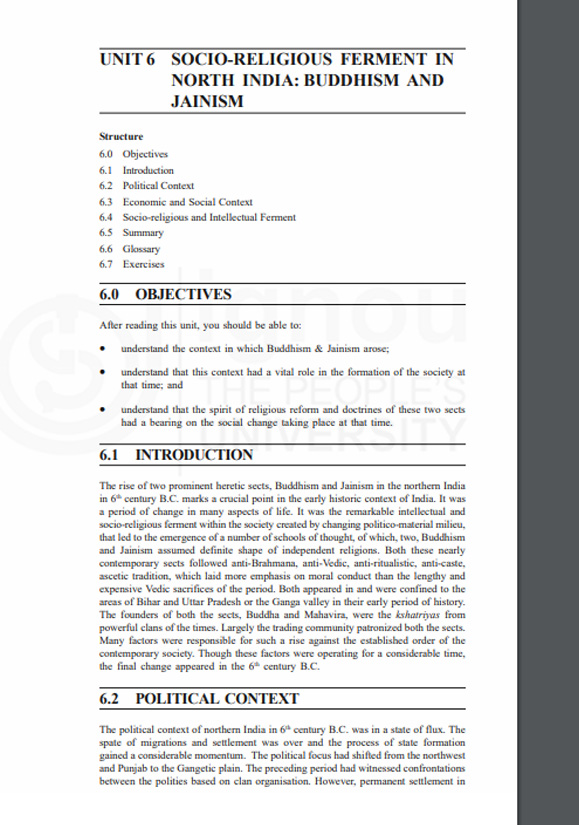
Unit-6 Socio-Religious Ferment in North India
Unit-6 Socio-Religious Ferment in North India
Ajay Mahurkar, V. Shah
No reviews yet
Sign in to read online
The rise of two prominent heretic sects, Buddhism and Jainism in the northern India in 6 century B.C. marks a crucial point in the early historic context of India. It was a period of change in many aspects of life. It was the remarkable intellectual and socio-religious ferment within the society created by changing politico-material milieu, that led to the emergence of a number of schools of thought, of which, two, Buddhism and Jainism assumed definite shape of independent religions. Both these nearly contemporary sects followed anti-Brahmana, anti-Vedic, anti-ritualistic, anti-caste, ascetic tradition, which laid more emphasis on moral conduct than the lengthy and expensive Vedic sacrifices of the period. Both appeared in and were confined to the areas of Bihar and Uttar Pradesh or the Ganga valley in their early period of history. The founders of both the sects, Buddha and Mahavira, were the kshatriyas from powerful clans of the times. Largely the trading community patronized both the sects. Many factors were responsible for such a rise against the established order of the contemporary society. Though these factors were operating for a considerable time, the final change appeared in the 6 th century B.C. Read more
Details
- Author
- Ajay Mahurkar, V. Shah
- Publisher
- —
- Type
- Articles
- Language
- English
- Religion
- —
- Tradition
- —
- Subjects
- History - Itihas
- Series
- —
- Published
- 2017
- Pages
- 9
- Size
- 8.5 x 14 in
- Format
Something wrong on this page?
Related works
-
 स्वामी समन्तभद्रचार्य इतिहास
Jainhitaishi and Jaingajat
स्वामी समन्तभद्रचार्य इतिहास
Jainhitaishi and Jaingajat
-
 श्री पार्श्वनाथ पुराण भाषा
Unknown
श्री पार्श्वनाथ पुराण भाषा
Unknown
-
 श्री जैन रामायण अर्थात् नाटक पद्मपुराण
Unknown
श्री जैन रामायण अर्थात् नाटक पद्मपुराण
Unknown
-
 पद्म पुराण
Pandit Shri Daulatramji
पद्म पुराण
Pandit Shri Daulatramji
-
 श्री नेमिनाथ पुराण
Pt. Udaylal Kasliwal
श्री नेमिनाथ पुराण
Pt. Udaylal Kasliwal
-
 पद्मपुराण जैन रामायण (भाग 2) (मराठी)
Sau. Bhupali Daryapurkar
पद्मपुराण जैन रामायण (भाग 2) (मराठी)
Sau. Bhupali Daryapurkar
-
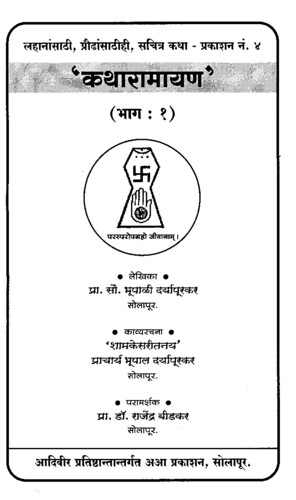 पद्मपुराण जैन रामायण (भाग 1) (मराठी)
Sau. Bhupali Daryapurkar
पद्मपुराण जैन रामायण (भाग 1) (मराठी)
Sau. Bhupali Daryapurkar
-
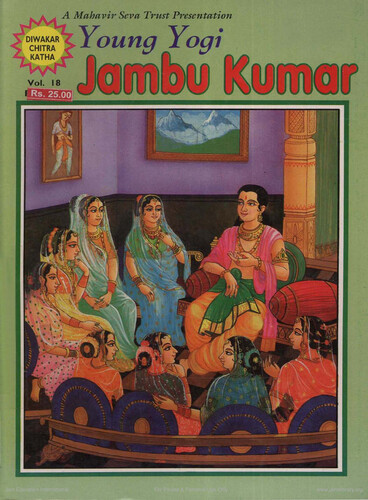 यंग योगी जंबु कुमार
Dr. Rajendra Muni Shastri
यंग योगी जंबु कुमार
Dr. Rajendra Muni Shastri
-
 यशस्तिलक सोमदेव सूरि उच्चवास (भाग 1) (व्हि. 3)
Somdev Suriji Shrimad
यशस्तिलक सोमदेव सूरि उच्चवास (भाग 1) (व्हि. 3)
Somdev Suriji Shrimad
-
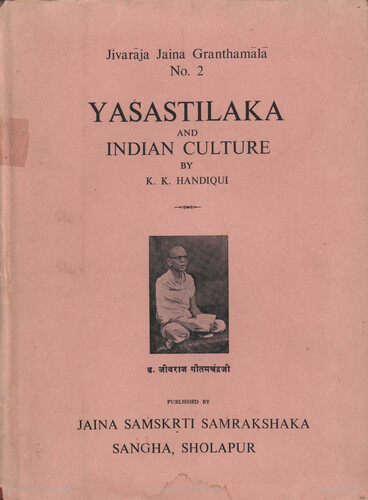 यशस्तिलक ॲन्ड इंडियन कल्चर (अंग्रेजी)
K. K. Handiqui
यशस्तिलक ॲन्ड इंडियन कल्चर (अंग्रेजी)
K. K. Handiqui
Reader reviews
No reviews yet
Nobody has reviewed this book. Be the first.
Share your thoughts
If you’ve read this book, sign in to share what you made of it with other readers.