


Books · Sahitya - Literature
Mahabharata – Epic of the Bharatas English condensed version
Mahabharata – Epic of the Bharatas English condensed version
Romesh C. Dutt
No reviews yet
Sign in to read online
ere is another and easy to read version of the classic, divine poem the Mahabharata. Mahabharata – Epic of the Bharatas is condensed into English verses by Romesh C. Dutt from 1898 and re-published in 2018. Romesh writes about the Mahabharata: For if there is one characteristic feature which distinguishes the Mahabharata (as well as the other Indian Epic, the Ramayana) from all later Sanscrit literature, it is the grand simplicity of its narrative, which contrasts with the artificial graces of later Sanscrit poetry. The poetry of Kalidasa, for instance, is ornate and beautiful, and almost scintillates with similes in every verse; the poetry of the Mahabharata is plain and unpolished and scarcely stoops to a simile or a figure of speech unless the simile comes naturally to the poet. The great deeds of godlike kings sometimes suggest to the poet the mighty deeds of gods; the rushing of warriors suggests the rushing of angry elephants in the echoing jungle; the flight of whistling arrows suggests the flight of sea-birds; the sound and movement of surging crowds suggest the heaving of billows; the erect attitude of a warrior suggests a tall cliff; the beauty of a maiden suggests the soft beauty of the blue lotus. When such comparisons come naturally to the poet, he accepts them and notes them down, but he never seems to go in quest of them, he is never anxious to beautify and decorate. He seems to trust entirely to his grand narrative, to his heroic characters, to his stirring incidents, to hold millions of listeners in perpetual thrall. The majestic and sonorous Sanscrit metre is at his Translator’s Epilogue command, and even this he uses carelessly, and with frequent slips, known as arsha to later grammarians. The poet certainly seeks for no art to decorate his tale, he trusts to the lofty. Read more
Details
- Author
- Romesh C. Dutt
- Publisher
- —
- Type
- Books
- Language
- English
- Religion
- Hinduism
- Tradition
- —
- Subjects
- Sahitya - Literature
- Series
- —
- Published
- 2021
- Pages
- 166
- Size
- 7.17 x 10.12 in
- Format
Something wrong on this page?
Related works
-
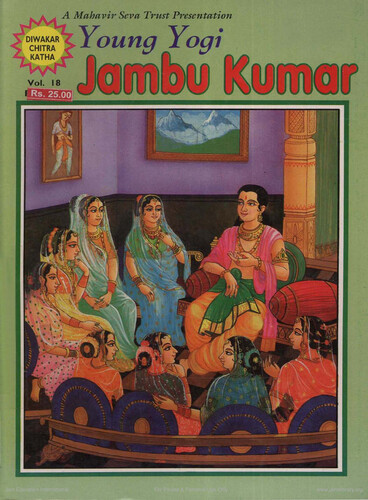 यंग योगी जंबु कुमार
Dr. Rajendra Muni Shastri
यंग योगी जंबु कुमार
Dr. Rajendra Muni Shastri
-
 यशस्तिलक सोमदेव सूरि उच्चवास (भाग 1) (व्हि. 3)
Somdev Suriji Shrimad
यशस्तिलक सोमदेव सूरि उच्चवास (भाग 1) (व्हि. 3)
Somdev Suriji Shrimad
-
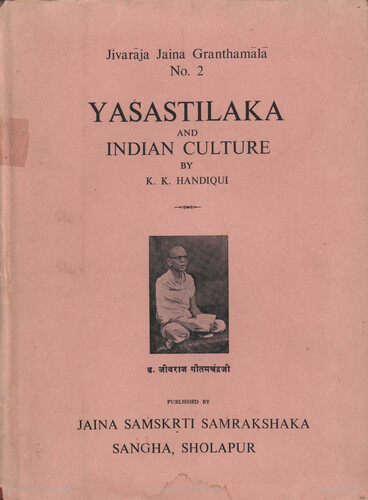 यशस्तिलक ॲन्ड इंडियन कल्चर (अंग्रेजी)
K. K. Handiqui
यशस्तिलक ॲन्ड इंडियन कल्चर (अंग्रेजी)
K. K. Handiqui
- Veetrag Vigyan Pathmala (Part 3) Veetrag Vigyan Pathmala (Part 3) Dr. Hukumchand Bharill
-
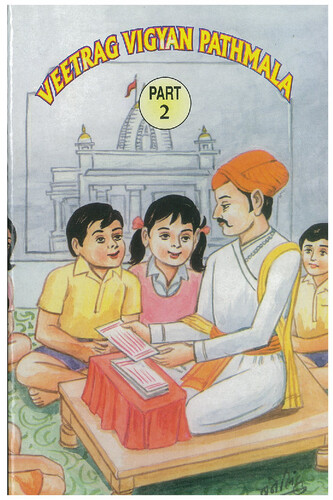 Veetrag Vigyan Pathmala (Part 2)
Dr. Hukumchand Bharill
Veetrag Vigyan Pathmala (Part 2)
Dr. Hukumchand Bharill
-
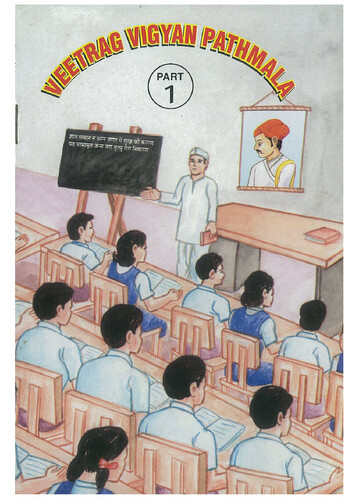 Veetrag Vigyan Pathmala (Part 1)
Dr. Hukumchand Bharill
Veetrag Vigyan Pathmala (Part 1)
Dr. Hukumchand Bharill
-
 युनिवर्सल लॉ (अंग्रेजी)
Unknown
युनिवर्सल लॉ (अंग्रेजी)
Unknown
-
 त्रिशष्टी शलाका पुरुष चरित्र (भाग 6)
Helen M. Johnson
त्रिशष्टी शलाका पुरुष चरित्र (भाग 6)
Helen M. Johnson
-
 त्रिशष्टी शलाका पुरुष चरित्र (भाग 5)
Helen M. Johnson
त्रिशष्टी शलाका पुरुष चरित्र (भाग 5)
Helen M. Johnson
-
 त्रिशष्टी शलाका पुरुष चरित्र (भाग 4)
Helen M. Johnson
त्रिशष्टी शलाका पुरुष चरित्र (भाग 4)
Helen M. Johnson
Reader reviews
No reviews yet
Nobody has reviewed this book. Be the first.
Share your thoughts
If you’ve read this book, sign in to share what you made of it with other readers.